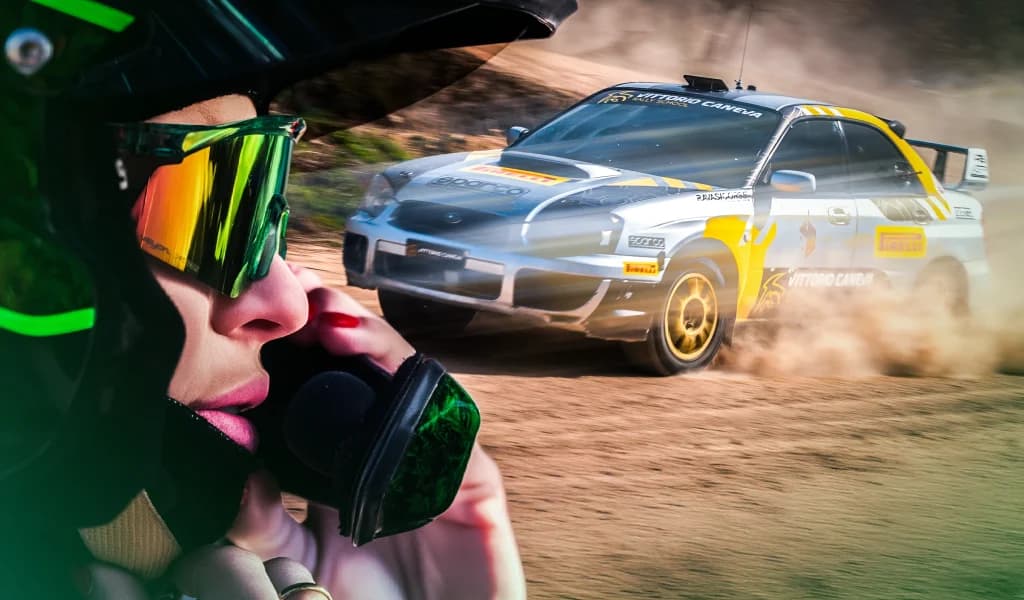
When Selema Masekela stepped onto the track with renowned driver Christine GZ, he was immediately thrown into the high-speed, high-stakes world of rally racing. Pushing speed and control to the limit, a single session tested Selema both mentally and physically—highlighting just how demanding rally racing can be. Afterward, Christine shared what it takes to compete in such a high-pressure discipline, and why the challenge of the sport keeps pulling her back behind the wheel.
What Is Rally Racing?
Unlike most motorsports, rally racing does not take place on a special, dedicated track (like F1, NASCAR, and IndyCar do). Rally racing happens out on public roads across the globe. These roads are closed down for the event and then reopen afterward.
If you check out the upcoming FIA World Rally Championship season, you’ll see cars winding through forests, mountains, rural landscapes, and more. In particular, for 2026, events will take place “on safari” in Kenya, along the striking coast of Croatia, and in the sunny Canary Islands, where passion for rally cars is stronger than almost anywhere on Earth.
Races can be a few miles long or can take place in a marathon endurance format, with stages taking place over multiple days. Unlike the format in traditional races, however, rally car drivers compete one at a time (instead of head-to-head). They are released onto the road about a minute apart from each other, and then must race with only themselves as competition. Each stage of the race is timed, and the cumulative times are used to determine the winner of the event.
Rally racing is often about endurance. In between stages, there is a set amount of time to repair cars and make any necessary adjustments (a different type of tire, for example). This means that drivers can’t simply beat the car up to get the best time. They need to balance the desire to go fast with the need to take care of the machine and reach the finish line.
The Role of the Navigator and Pace Notes
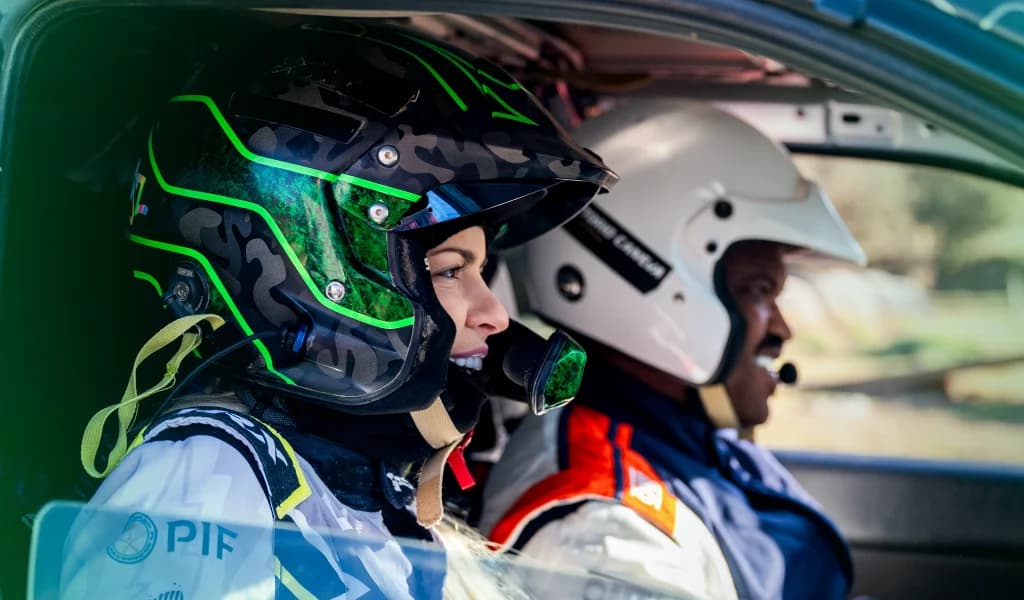
Each rally car actually has two people in it: the driver and the co-driver or navigator. The navigator’s job is to conduct reconnaissance (“recce”) to understand the features and challenges of the road ahead. This is then collected in the form of pace notes – a specialized language that describes things to the driver in a shorthand that he or she can understand and react to in real time when the pair are racing. For example: R5 Lg > 3, which is read as “right five long, tightens to 3.” This would mean that the turn is a fairly long right-hand turn that becomes a bit tighter as it goes along, requiring a more severe turn of the wheel.
Stages are unfamiliar, and visibility can be limited. The co-driver’s instructions are vital to allow the driver to anticipate things in precise detail. The pace notes will cover surface changes, jumps, crests, narrowing roads, and hazards such as rocks or deep ruts. Rally drivers don’t have the luxury of a perfectly clear track with no obstacles, so they need to continually react to what is coming at them. The driver and navigator work as a team, and they need to have tight coordination if they’re going to have a strong performance and avoid getting into trouble.
Varying Surfaces
Rally races can be organized to take place on a wide variety of surfaces. Conditions can also evolve during a rally. Weather changes, and drivers must adapt from stage to stage.
Gravel and dirt
One of the most common surfaces to race on is loose dirt or gravel – the kind of basic roads that are found all over the world.
Snow and ice
For snowy races, rally cars use specialized tires fitted with metal studs. Grip levels and traction are quite low, and so fans will often see cars sliding or “drifting” around corners. It’s important to account for snowbanks in these events. Surprisingly, they can sometimes help stabilize the car during a slide, but can just as easily stop the car dead in its tracks.
Tarmac
These roads are considered a luxury for rally drivers. They can go faster, but need to be precise.
How to Control a Car in Uncontrolled Conditions
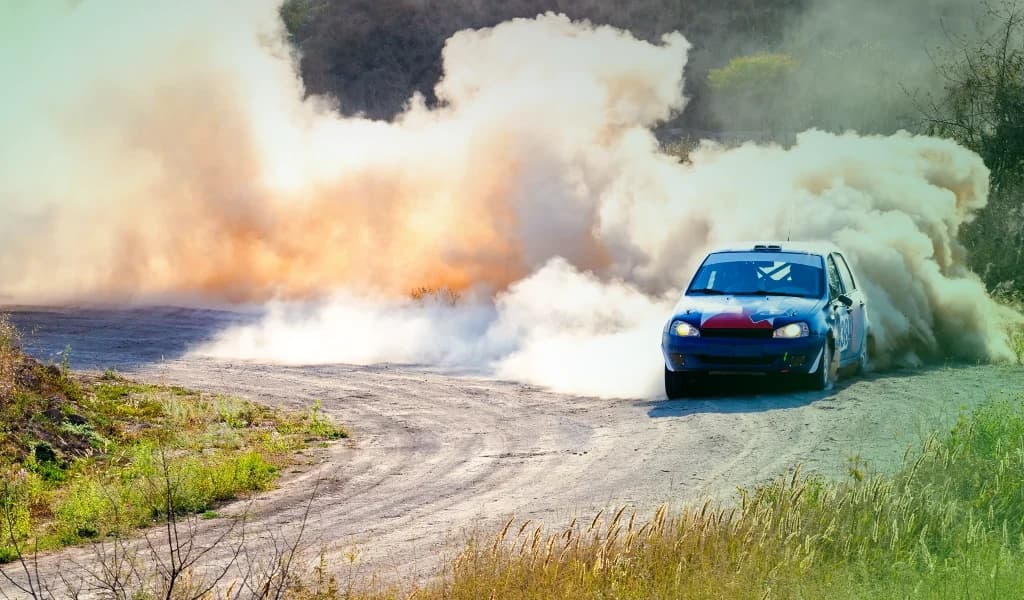
When driving a rally car, as in many motorsports, mistakes have immediate consequences. A driver must have sharp skills.
One technique used by rally drivers that isn’t used by casual drivers is left-foot braking. This helps them keep the throttle up while taking off some speed. They can balance the vehicle through corners this way, and be ready to burst down the road once they let off the brake. To prepare to go into a turn, a driver might even use a “Scandinavian flick,” which involves briefly steering in the opposite direction before a corner to shift the car’s weight. This is a simple way to initiate a drift.
On that same point, drivers are often focused on weight transfer when rally racing. Drivers constantly adjust throttle, braking, and steering to move the car’s weight just where they want it. The effect is that the car grips the road in the right way. For example, it’s essential to have weight distributed right when cresting a hill so that the landing from the subsequent jump is controlled. Drivers need the car to be stable as it reconnects with the road.
All of these concerns must be handled quickly. The driver listens to the pace notes, reads the road surface, and then reacts, all while sometimes going over 100 miles per hour.
Strategy, reflexes, and endurance define successful rally racers.
Engineering Cars for Tough Conditions
Rally cars are highly engineered to withstand the challenges of taking jumps, riding over rocky terrain, speeding up and slowing down suddenly, and drifting all over the road.
Suspension systems are vital, of course. Gravel and rough roads require long-travel suspension that can absorb large impacts. These durable parts must last through endurance stages – and rally cars take a beating, so durable suspensions are a must.
All-wheel-drive systems are common on rally cars. This gives the driver power on all four wheels, improving traction on loose and slippery surfaces. Drivers benefit greatly from the additional control, especially when speeding up and hitting corners.
Roll cages are a standard kit for rally cars and are installed to provide enough structure to protect drivers in accidents. Also, there are skid plates that protect the underside of the car, including the engine and transmission, as rocks and debris constantly fly up from the road in a rally race.
Even maintenance efficiency is a relevant concern for rally teams. Crews only have so much time in the limited service windows to get things done. They need to fix damage, repair tires, and make any adjustments needed before the next stage takes place. Everything is designed for fast maintenance and mechanical work.
Finally, tires are an essential component of a rally car. Varying compounds and tread patterns are available for optimal performance in certain conditions and on certain roads. The team has to balance grip, durability, and weather considerations to find just the right tire for a given race.
How Rally Drivers Train
Don’t let the constant sitting fool you – rally racing is a physical challenge. Drivers need strong hands and arms, as well as neck and core muscles that can take all the bumps and jumps of the road. Physical conditioning is important, and rally drivers need decent cardio capacity as well because racing can be an endurance challenge.
Then comes technical practice. Drivers train by driving on all surfaces. Many rally training facilities allow drivers to practice drifting, braking, and cornering in a controlled environment.
Rally teams have also added simulation technology as a main training tool. Advanced simulators replicate rally stages and vehicle dynamics. This lets drivers get reps on all their skills so that when the time comes, they’ll be ready.
Why Rally Remains One of Motorsport’s Purest Challenges
Rally racing is so different from more controlled motorsports. Public roads offer so many challenges. Drivers have to be ready to react to pretty much anything. For this reason, the gap between the best performers and the bottom tier can be quite large, as opposed to other motorsports. Rally drivers might encounter a huge number of unique corners in a race, whereas circuit drivers repeat a dozen or so corners hundreds of times in a row. Thus, there isn’t the same opportunity to perfect a corner in rally racing. Rally racing requires a unique blend of technical precision, quick thinking, and a keen understanding of how a car will react to the road ahead.
What Do the Best Racers Say About Rally?
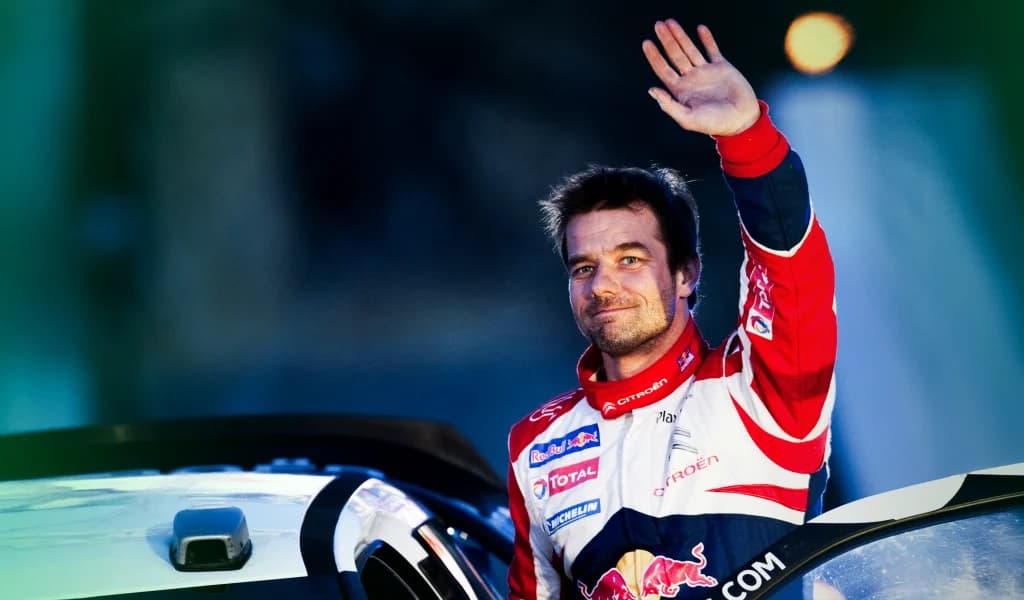
Sébastien Loeb (9-time World Rally Champion)
“You cannot relax in rally. One second of losing focus and the stage is over.” Everything is on a knife-edge.
Sébastien Ogier (Multiple-time World Rally Champion)
“In rally you are always adapting.” Do controlled tracks breed domesticated drivers?
Walter Röhrl (Two-time World Rally Champion)
“You don’t drive a rally stage. You survive it.” It’s a grueling challenge, but one that is rewarding if you can handle it.
Colin McRae (1995 World Rally Champion)
“If in doubt, flat out.” A legendary quotation that sums up the fearlessness of rally drivers.
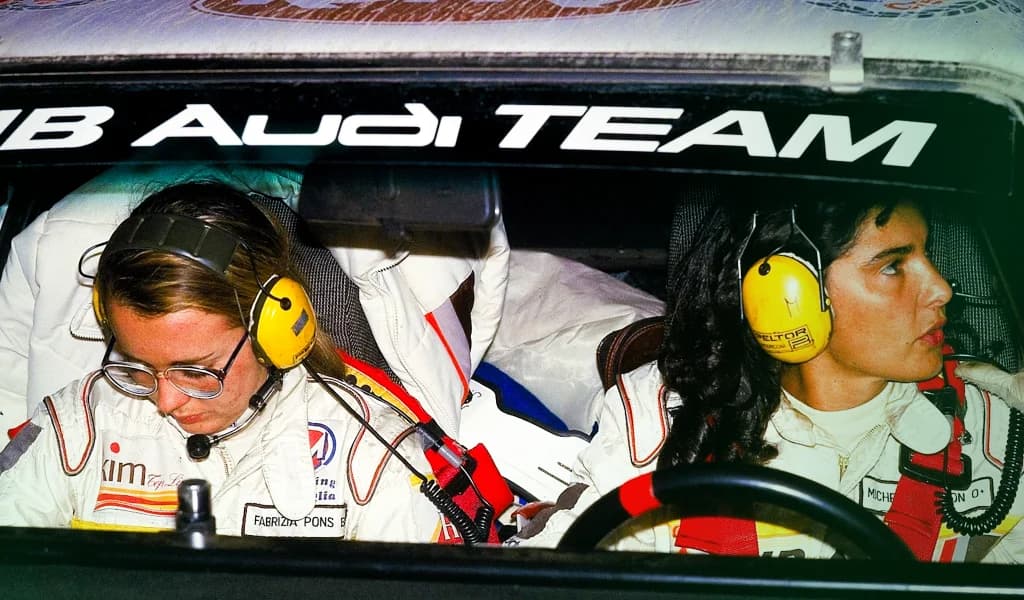
Michèle Mouton (WRC legend)
“Rallying is about being fast everywhere, not just in one place.” Consistency is key. The driver who can perform in many situations flexibly will win.
Ari Vatanen (1981 World Rally Champion)
“You have to listen to the car. The car talks to you.” The connection between driver and machine is keenly felt when the road is full of bumps and jumps.
On the Road
Really, no two stages are exactly alike. The conditions are always changing in rally racing. Technology is constantly evolving, too, and drivers work hard to bring their best to each event. In an era where many forms of racing take place in carefully controlled environments, rally remains raw and unpredictable in a way that fans and drivers find irresistible.