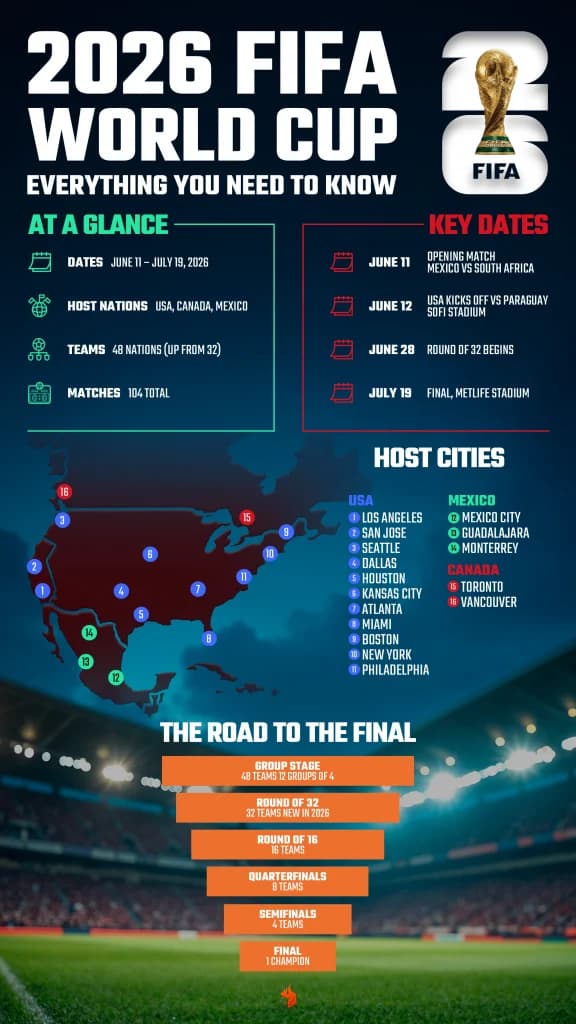
The year’s biggest moment in soccer is almost here. From June 11th to July 19th, the FIFA World Cup unfolds across 16 cities in the United States, Mexico, and Canada. For the first time ever, 48 nations will compete… which means more stories, more upsets, and more glory than any World Cup to date.
It all builds to the final match at MetLife Stadium in New Jersey on July 19th. With an audience of five billion people watching around the world, it’s sure to be an incredible tournament.
The Biggest Tournament Ever
The World Cup’s expanded from 32 to 48 teams, giving confederations across Africa, Asia, North America, and Oceania now get a bigger part of the action.
This means soccer cultures from far-flung corners of the globe now get to share the spotlight with dominant soccer superpowers. Nations making their debut (Cabo Verde, Curaçao, Jordan, and Uzbekistan) arrive as serious competitors, drawing from impressive pools developing in Europe’s top leagues.
There’ll be more group stage matches, a round of 32, and a longer journey to the final for all teams. Strikers will pile up more goals than before, and underdogs have more opportunities to find their feet and build momentum.
The Powerhouses: Who’s Favored to Win
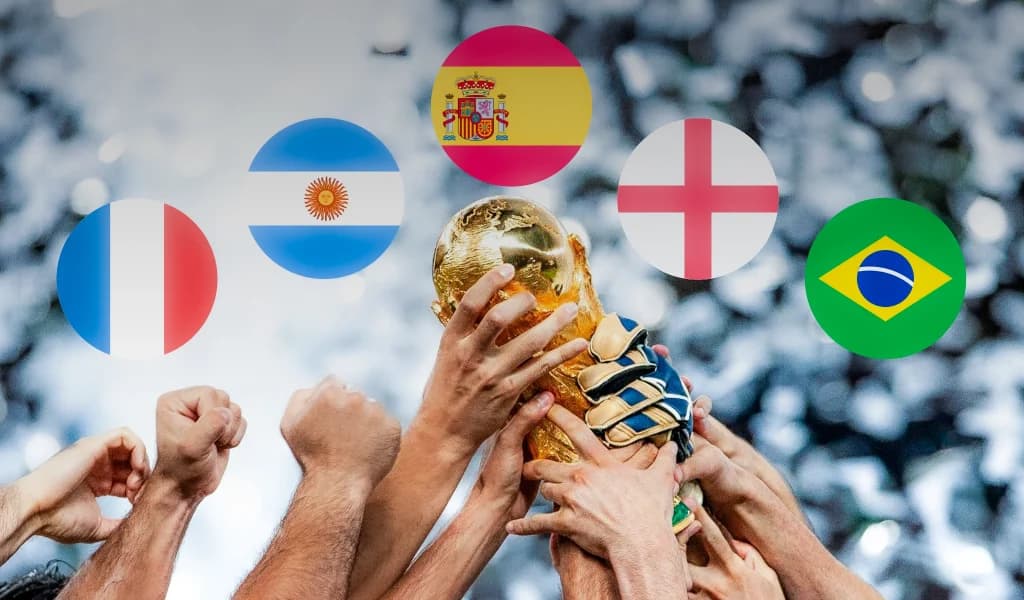
Spain enters as the favorite and team to watch. La Roja barrel into the World Cup on the foot of Lamine Yamal, a Barcelona teen who tore up Euro 2024 at only 16 years of age. The midfield features Ballon d’Or winner Rodri and the capable Pedri. This team’s deep and plays a possession game under coach Luis de la Fuente. Few teams can hang with them at their best.
France held the FIFA No. 1 ranking in April and also features an incredibly deep team. Arguably the most decisive attacker on the planet, Kylian Mbappé is likely to take the Golden Boot. The guy can dismantle defensive structures all by himself. Ousmane Dembélé, Michael Olise, and Rayan Cherki form a terrifying set of attackers that give defenses fits. With a desire to avenge the heartbreaking loss to Argentina in 2022, France will be a nightmare on the pitch.
Defending champs Argentina have living legend Lionel Messi competing in a record sixth World Cup at the age of 38. Still the beating heart of “La Albiceleste,” Messi completed soccer’s greatest résumé in Qatar four years ago. Whether or not this is truly his final tournament, every fan will be there to witness one of the greatest ever as he takes to the field one more time.
England enter with genuine heart and talent, despite decades of tragic results. Manager Thomas Tuchel brings a threatening attacking core in Harry Kane, Jude Bellingham, and Bukayo Saka. The squad swept through qualifying without a single goal in their net. The Three Lions have their sights set on the nation’s first World Cup title since 1966.
Brazil, perennial contenders with their expressive attacking style, and Germany, always dangerous at major tournaments, round out a first tier of teams with major championship ambitions.
Key Players to Watch
Beyond Mbappé and Messi, this year’s World Cup brings a generational changing of the guard:
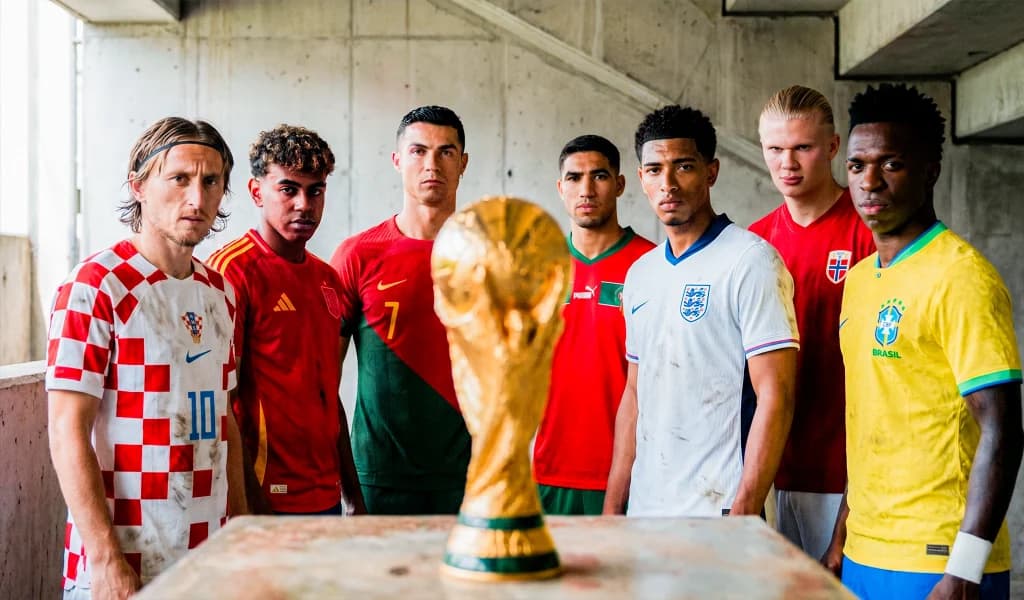
- Lamine Yamal is arguably the most anticipated young talent at any World Cup since Mbappé stepped on the green as a teenager in 2018.
- Jude Bellingham, Real Madrid midfielder, is expected to have a huge impact on the tournament at just 22 years old.
- Erling Haaland brings Norway to their first World Cup since 1998, and truly seems to have the ability to score at will. He was better than any other qualifying scorer with 16 goals in eight matches. Maybe Norway will be a group-stage surprise?
- Vinicius Junior is expected to carry the creative burden for Brazil.
- Morocco’s Achraf Hakimi is just off a season with PSG where the squad won the Champions League by thrashing Inter Milan 5-nil. He brings elite experience and leadership to one of Africa’s most organized sides.
- Luka Modrić is 40 years old and playing likely his final World Cup. He adds a layer of poetic farewell for Croatia.
- Cristiano Ronaldo, the legend, is still competing at 41. This represents perhaps the last act in what is probably the most sustained individual excellence international soccer has ever seen.
Rising Contenders and Breakout Teams
Morocco might be the tournament’s most compelling dark horse. Their run to the semifinals in Qatar was no fluke. They were the first African nation ever to reach that stage, and their fans no doubt will cheer for them to get there again. Coach Walid Regragui has built a disciplined, tactically sound side with genuine quality at both ends of the pitch. They’re led by Hakimi and Real Madrid’s Brahim Díaz. They arrive in North America with tournament experience, a settled squad, and plenty left to prove. Morocco nearly reached the final in 2022, but were eliminated by a rampaging France squad.
Senegal, with their mix of experience and youth, carries the hopes of West Africa into what could be a serious World Cup run. Colombia has consistently troubled the United States in recent memory and will not be taken lightly. Belgium, with young stars like Jeremy Doku terrorizing left flanks across Europe, could be dangerous. And Haaland’s Norway is an opponent no one will be excited to take on in the group stages.
The Host Nations: USA, Mexico, and the Pressure of Home
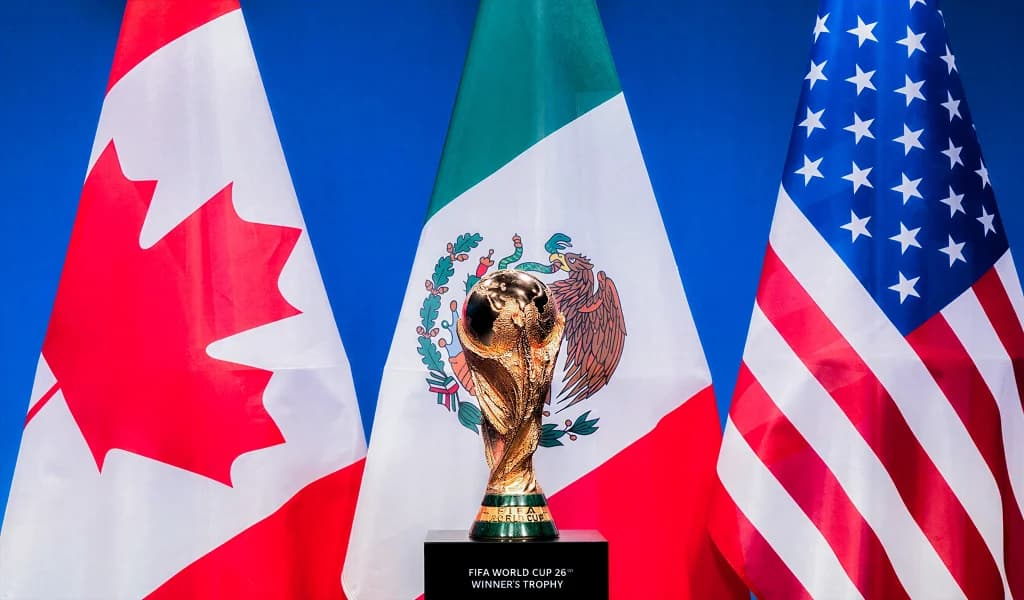
The three co-hosts each carry a unique kind of weight into this tournament. Mexico opens the event at the legendary Estadio Azteca against South Africa. This is one of the most historic venues in soccer and it’ll host one of the most anticipated opening matches in World Cup history. El Tri feeds off the electricity of some of the most passionate fans in the game. Reaching the knockout rounds on home soil is the national expectation.
The United States arrives as the most globally experienced American squad in history. Led by coach Mauricio Pochettino and captain Christian Pulisic, the USMNT kicks off in Group D alongside Paraguay, Australia, and Turkey. For a team that hasn’t advanced past round 16 since 2002, the pressure’s on. American soccer fans, often casual between tournaments, tend to transform entirely when the national team competes on the biggest stage. With every match a home game, expect stadiums to be rocking with red, white, and blue.
Canada, appearing in just their third-ever men’s World Cup, is hungry to reach the knockout rounds for the first time. Alphonso Davies and Jonathan David give them elite attacking threats. Coupled with the sense of national pride around this squad, the energy will be high from coast to coast.
Regional Fan Cultures and What This Means to the World
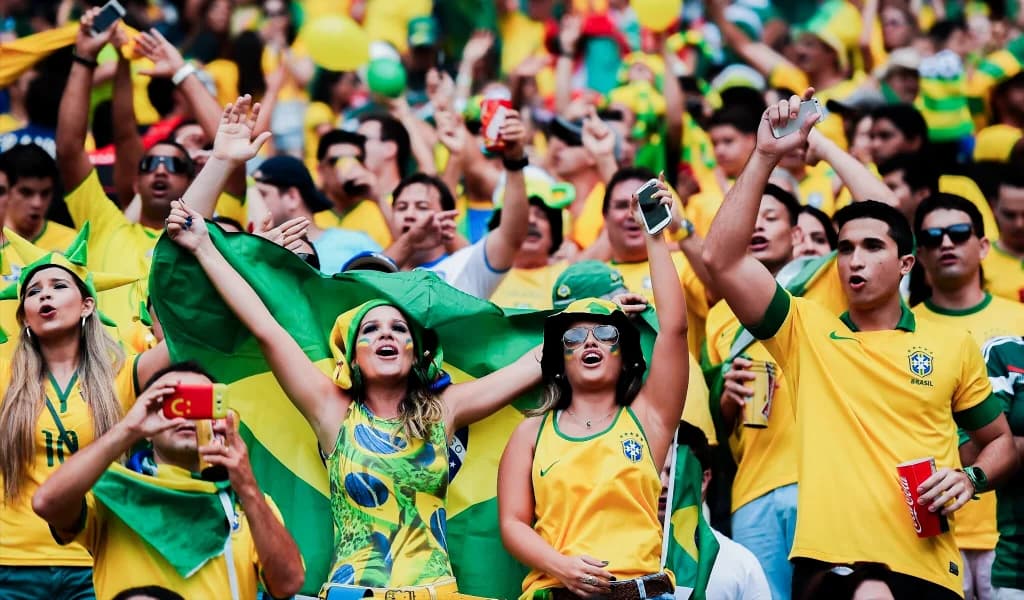
In Latin America, the World Cup is not merely a sporting event. Normal life must absolutely be put on hold for these matches. From Buenos Aires to Mexico City to Bogotá, families gather around screens, flags unfurl from apartment windows, and whole cities slow to a crawl. Brazilian and Argentine supporters are travelling in massive numbers, and the energy they bring to stadiums will be felt through the screen.
Across the United States, this World Cup represents something bigger than the games themselves. It’s a statement that American soccer has grown up. Cities like LA, New York, Dallas, Miami, Seattle, and Kansas City will become temporary soccer capitals of the world. The communities within them, with deep roots in soccer-loving countries, will make the stadiums feel less like neutral venues. They’ll be more like melting pots for a dozen different nations at once – classically American.
In Australia, soccer is gaining interest of new fans. The 2022 run into the Round of 16 definitely pulled in some supporters (the team fell to Argentina 2-1). The Socceroos’ placement in Group D alongside the United States for the 2026 Cup will be an engaging matchup, for sure. Australian fans number in the millions, and almost all will be watching (even though the kick-offs will certainly occur at inconvenient morning times).
Rivalries, Matchups, and the Road to MetLife
The group stage promises several eagerly anticipated clashes. Portugal faces Colombia in Group K. This is a meeting between a European heavyweight and a rising South American power that will likely decide who climbs to the top of the group.
Germany are heavy favorite in Group E, but face Côte d’Ivoire, who could prove troublesome. Germany will also have to take on the Ecuadorians, who have caused upsets before. Brazil and Morocco share Group C, and their matchup could be one of the most watchable in the group stage. England and Spain, should they meet in the knockout rounds, would be a rivalry match that could define a generation’s fandom. An Argentina-Brazil encounter in the latter stages would stop the world. France against anyone in the quarterfinals is also appointment television.
The expanded format means that matchups we might not have seen until the later rounds now arrive earlier and more frequently. It also means that the path to the final is longer, more demanding, and more likely to be shaped by squad depth, fitness management, and tactical flexibility.
The whistle blows on June 11th. After that, anything can happen. That’s the fun of World Cup!