The brain is capable of advanced calculation and logical analysis. People love to put together puzzles, solve mysteries, and fix thorny problems. Sometimes, though, you need to take a leap of faith.
No amount of preparation can guarantee a good outcome. This is where perfectionists run into trouble. They can’t take that leap as easily. But some people make risk-taking a habit. They’re not capable, they’re comfortable when it’s time to make that jump.
How’d they get there?
Research shows that repeated risk taking can actually sharpen mental performance and adaptability. In turn, this behaviour increases confidence, feeding back into the cycle.
Whether it’s sending it on a big stunt or going all-in at the poker table, this cycle all starts with how our brains handle dopamine.
The Chemistry of the Send and the Role of Dopamine
Committing to uncertainty triggers our brains to release dopamine. This neurotransmitter helps with motivation, learning, and (of course) pleasure. Where it gets interesting is in how different brains manage this neurotransmitter.
That’s right, there’s a biological element to this. Those people who engage in riskier behaviour tend to need bigger stimuli to get a “normal” hit of dopamine. There’s even a genetic component to this.
For example: a roller coaster that terrifies one person barely registers for another. This goes beyond personality or character; the difference can be measured in neurochemistry. The folks bored on a roller coast need a bigger thrill to get the same dopamine release.
As a result, engaging in risky activities tends to feel great. So are adventure athletes and extreme sports athletes chasing that high?
It’s Not Just About the Rush
In the past, the assumption was that extreme athletes were thrill seekers chasing bigger hits of adrenaline. More recent research has moved past that idea, however.
As sport psychologist Eric Brymer told the American Psychological Association, the traditional “thrill-seeker” framework doesn’t describe what’s actually going on. People who commit to serious risk consistently usually describe how they seek mastery, meaning, and connection in addition to the fun of an exhilarating sensation.
This has been echoed by sport psychologist Yani Dickens, who frames elite risk-sport motivation by saying that the goal is managing risk, not seeking it. The athletes who last in frightening disciplines like rally car driving or stunt plane aerobatics aren’t the ones chasing the buzz of being in the middle of chaos.
Instead, they build the self-regulation to find the knife edge that separates confidence from overconfidence, and they learn to lock in and make smart decisions under genuine pressure. It’s the main difference between recklessness and performing incredible (but very risky) feats. Many call the experience of navigating these risks well the “flow state.”
Chasing Flow State
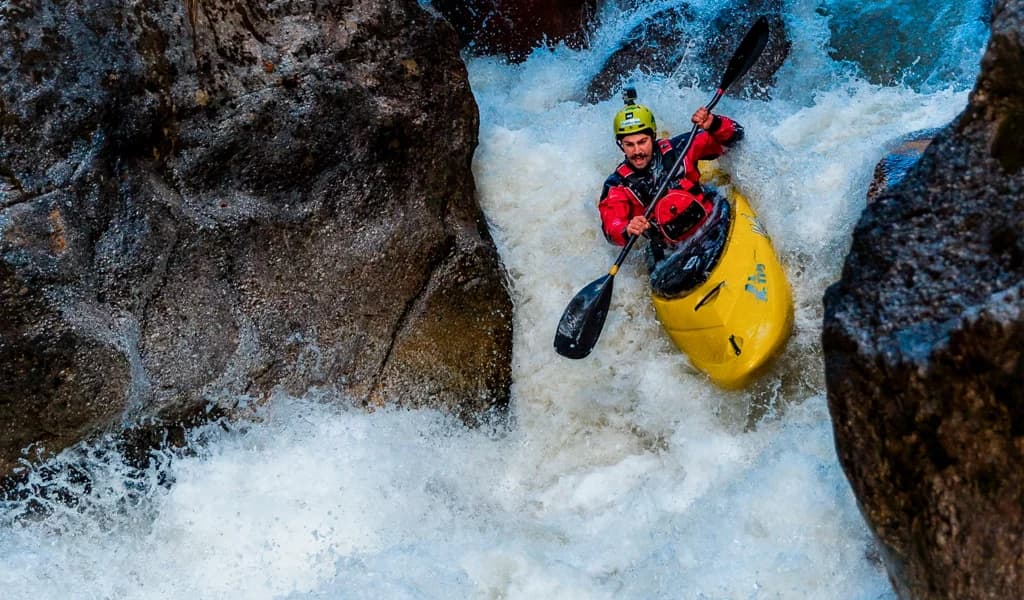
People who take on serious risks have described flow state: time slows down, focus narrows, and self-consciousness fades into the background. It’s an experience where a person is deeply absorbed in their activity and performance becomes smooth and automatic. Psychologists started describing it decades ago and have observed it in whitewater kayakers, motocross stunt jumpers, and climbers navigating a hard pitch. There are requirements (it seems) to enter flow state, which include a clear goal, real-time feedback, and a challenge that’s matched closely to a person’s actual skill level. It can’t be too easy, but also can’t be impossibly hard.
Flow doesn’t happen in the comfort zone, and it can’t happen when we’re in blind panic either. It’s found in the narrow band in between. It shows up when a person is stressed enough to sharpen focus, but doesn’t tip into the kind of overload that shuts us down. Learning to find and stay in that zone, repeatedly, is a trainable skill.
Training Fear Itself: What Exposure Does to the Mind
Many fans of adventure sports would like to think that the best in the business are fearless, but that’s not the case. They feel fear like many others do, but they can manage it. Anatomically, the amygdala is the part of the brain responsible for fear. It flags threats and triggers the body’s stress response.
The prefrontal cortex is then responsible for evaluating the threat rationally and deciding on a course of action (if any). In an untrained brain, when someone is facing something new and dangerous, the amygdala can hijack everything. Fearful people have bad tunnel vision, a racing heart, and often cannot make decisions because they’re frozen.
Repeated, deliberate exposure to manageable fear starts to change the relationship between those two brain regions. Researchers studying fear extinction (unlearning a fear response through safe, repeated exposure) have found that there is an active, trainable process to work with.
The prefrontal cortex can get better at regulating the amygdala’s alarm signal, and this lets a person stay clear-headed even while their body still registers genuine danger. A progression-based approach to a risk sport is building this ability so that athletes can feel fear but not be controlled by it.
Alex Honnold, the free solo climber famous for scaling Yosemite’s El Capitan without ropes, is a case in point. Brain scans found unusually low amygdala activation when he viewed fear-inducing images. Honnold himself, however, attributes his composure less to biology and more to years of obsessive rehearsal. He spent nearly seven years preparing before he felt ready to free solo El Capitan, rehearsing every move with safety gear hundreds of times first. It’s yet another demonstration of the magic that happens when dogged preparation meets an appetite for risk.
How Calculated Risk Builds the Brain
Some may be surprised to learn that the brain isn’t a fixed structure. It’s changeable, which is referred to as “plasticity.” The brain is constantly forming new neural connections in response to experience. One of the most reliable ways to trigger it is to put yourself into new, challenging situations. Research on cognitive flexibility consistently shows that people who regularly seek out new experiences and environments build stronger, more adaptable connections between different brain regions. This allows them to switch between mental strategies more fluidly and respond to unfamiliar problems without shutting down.
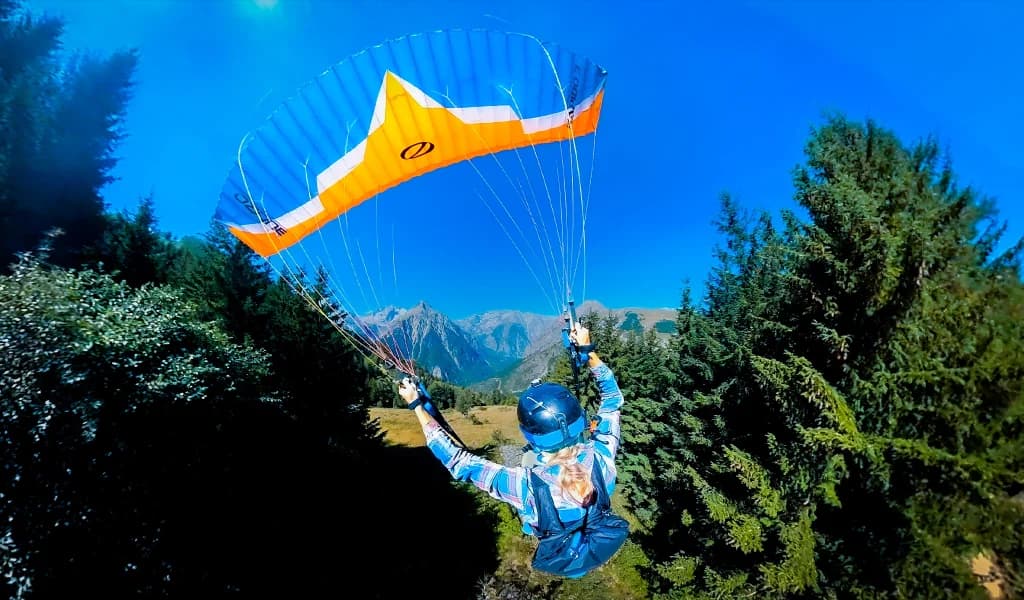
In practice, this means every time someone commits to a manageable, well-prepared risk (e.g. reading an unfamiliar rapid, sizing down to a smaller wing when speed flying, or snowboarding a new line) they’re not just building skill in that one specific activity.
They’re training their brain in general to size up uncertainty, commit to a decision, and adapt on the fly. The skill is transferable, and can be a big part of why so many people who take calculated risks seriously bring the same clear-headedness from one high-pressure arena to another. It could help them with a business decision, a difficult conversation, or any other moment where others might freeze.
Not All Risk-Taking Is Equal
As said above, many elite athletes seek mastery and flow, but that’s not everyone. There is definitely some documentation in psychological research regarding activities that draw in people with genuine impulse-control issues or underlying risk-related psychiatric conditions. For these folks, there may be very little calculation in their behavior.
Case studies published in medical literature have specifically noted that some extreme athletes show patterns of risk-taking that mirror clinical impulsivity. They don’t show trained composure, but instead truly are bent on compulsive risk escalation.
The distinction between these different types of adventure sport participants leads to a difference in the neurological and psychological benefits gained. Neuroplastic gains and transferable confidence come specifically from risk that’s assessed, prepared for, and taken on in the right way. Recklessness borrows the same brain chemistry, but skips parts of the process that makes it constructive rather than potentially destructive. It takes cojones to send it, but there’s a lot more going on under the hood of top performers than that.
The Confidence That Comes From Doing Hard Things
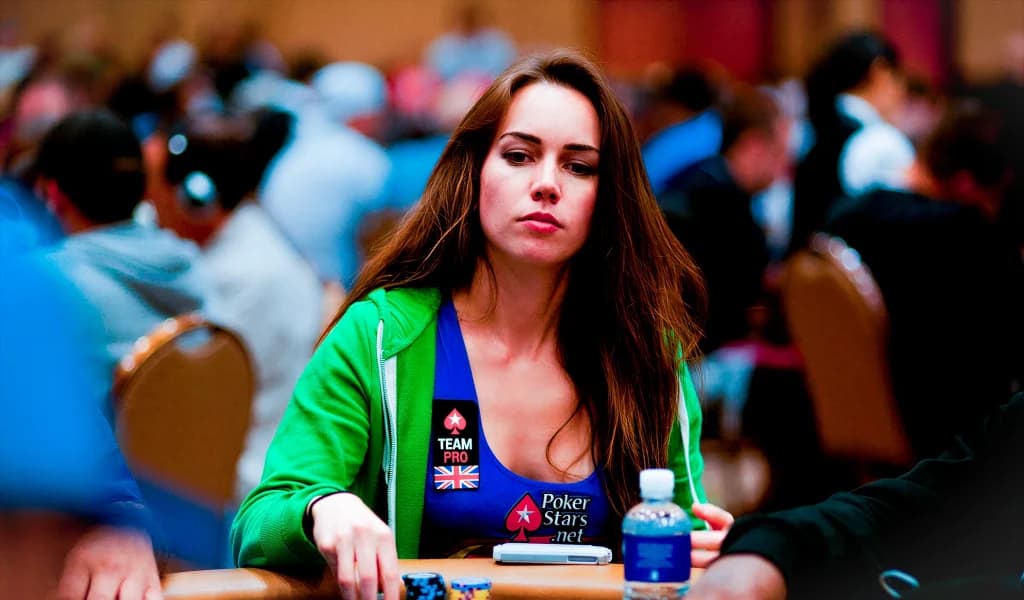
Confidence is a key ingredient in this recipe for success, and confidence built through calculated risk winds up being fundamentally different from confidence built other ways. It’s not bravado, and it’s not the absence of fear. It’s a trained, repeatable relationship with risk.
As poker pro Liv Boeree has put it when speaking about the mindset serious risk-takers need at the poker table: “It’s about risk, it’s about being cutthroat.” She has a mentality that allows her to take big risks and put tremendous pressure on others when the situation calls for it. Say what you want, but with her results and the results of those who succeed in adventure sports, it’s not recklessness.
The send isn’t about ignoring risk, it’s about respecting it enough to prepare properly. It’s also about trusting that preparation when it’s time to take the plunge and commit.
The brain rewards that pattern with dopamine in the moment, and ultimately with a more flexible, more resilient mind afterward. Repeat this process enough times, in enough different arenas, and “sending it” stops being an occasional adrenaline spike. It becomes a permanent upgrade to how a person handles uncertainty everywhere in life.